

Nearly one in five british homeowners plan a home extension in the next three years, yet most feel unprepared for the financial and legal challenges ahead. Expanding your living space can dramatically improve daily life, but without careful planning, costs and delays can quickly spiral. This guide breaks down the steps every british homeowner should follow, from setting clear goals and building an airtight budget to ensuring legal compliance and quality construction, so you can approach your home extension with confidence and control.
Table of Contents
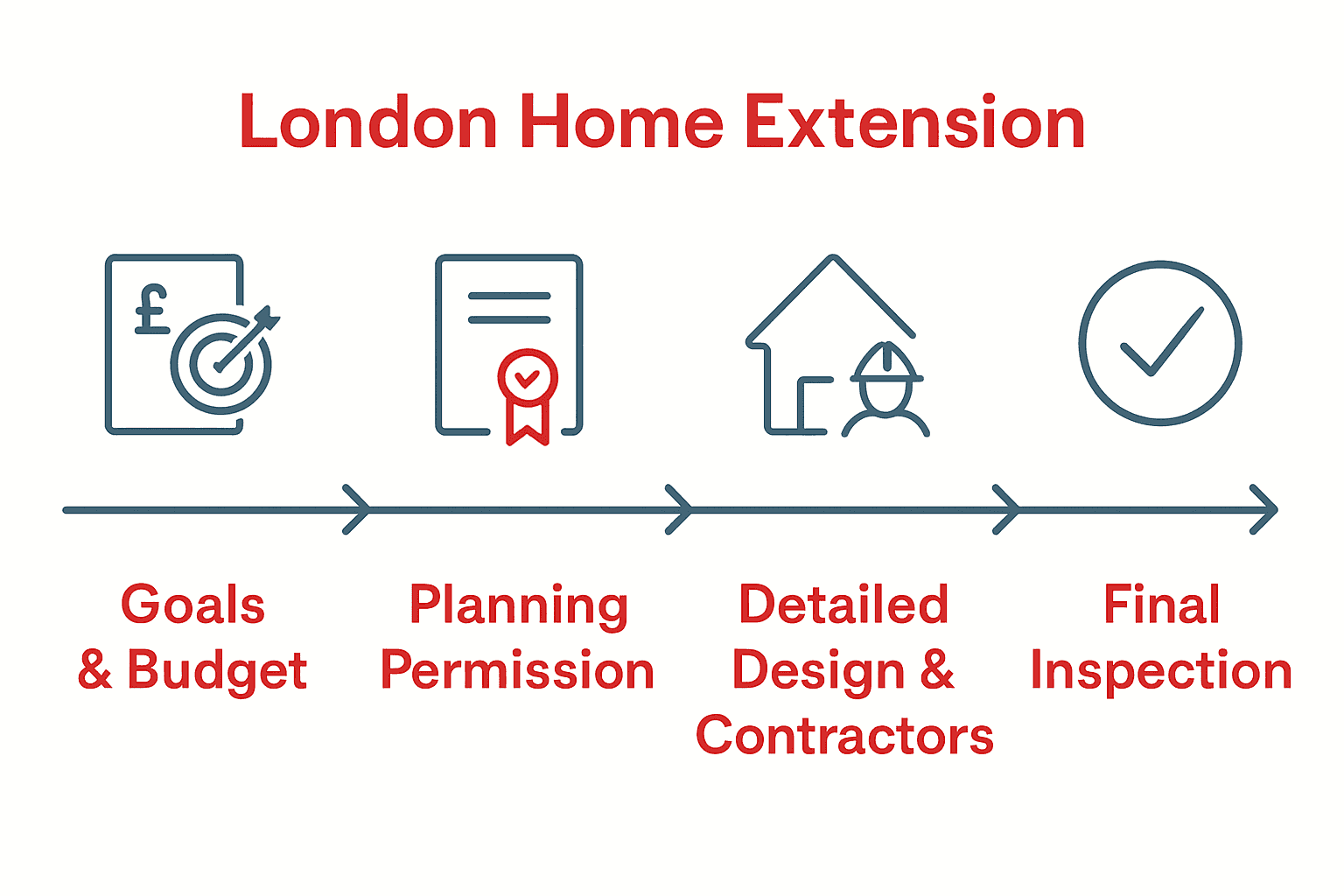
- Stage 1: Assess Your Extension Goals And Budget
- Stage 2: Secure Planning Permission And Legal Compliance
- Stage 3: Develop Detailed Designs And Select Contractors
- Stage 4: Oversee Construction And Project Management
- Stage 5: Conduct Final Inspections And Quality Checks
Quick Summary
| Key Point | Explanation |
|---|---|
| 1. Define Extension Goals and Budget | Clearly outline what you want to achieve with your extension and establish a detailed budget to guide the project. |
| 2. Secure Necessary Planning Permissions | Ensure your plans comply with local regulations and obtain the required approvals to avoid delays and additional costs. |
| 3. Engage Professionals for Design and Construction | Collaborate with experienced architects and contractors to develop feasible designs and ensure quality construction throughout the project. |
| 4. Maintain Oversight During Construction | Actively manage the construction process by regularly communicating with contractors and documenting progress to address issues promptly. |
| 5. Conduct Thorough Final Inspections | Perform comprehensive checks on the completed work to ensure it meets standards and resolves any minor discrepancies before final approval. |
Stage 1: Assess Your Extension Goals and Budget
Launching a home extension project requires strategic planning and careful financial preparation. Your initial step involves clearly defining your extension objectives while establishing a realistic budget framework that aligns with your property’s potential and your personal requirements.
Begin by conducting a thorough assessment of your current living space and identifying precisely what you want to achieve. Are you seeking additional kitchen space, an extra bedroom, or a more open living area? Barnet Council recommends homeowners first understand their specific extension goals before diving into detailed planning. This might involve measuring your available space, considering structural limitations, and evaluating how the proposed extension will integrate with your existing property layout.
Financially, you will need to develop a comprehensive budget that accounts for all potential expenses. This includes not just construction costs, but also professional fees, potential planning permission expenses, and a recommended contingency fund of 10-15% for unexpected challenges. Haringey Council emphasises the importance of understanding planning permission requirements early, as these can significantly impact your overall project budget. Consider consulting with local extension specialists who can provide tailored advice about potential costs specific to London property markets.
A useful budgeting strategy is to create a detailed spreadsheet tracking all anticipated expenses. Break down costs into categories such as architectural design, materials, labour, permits, and contingency. Research local builder rates, obtain multiple quotes, and be prepared to make pragmatic compromises without sacrificing your core extension goals. By approaching your project with meticulous planning and financial awareness, you set the foundation for a successful home improvement venture.
Stage 2: Secure Planning Permission and Legal Compliance
Navigating the legal landscape of home extensions requires methodical attention to local regulations and comprehensive documentation. Your primary objective in this stage is to ensure your proposed extension meets all statutory requirements and secures the necessary approvals from local authorities.
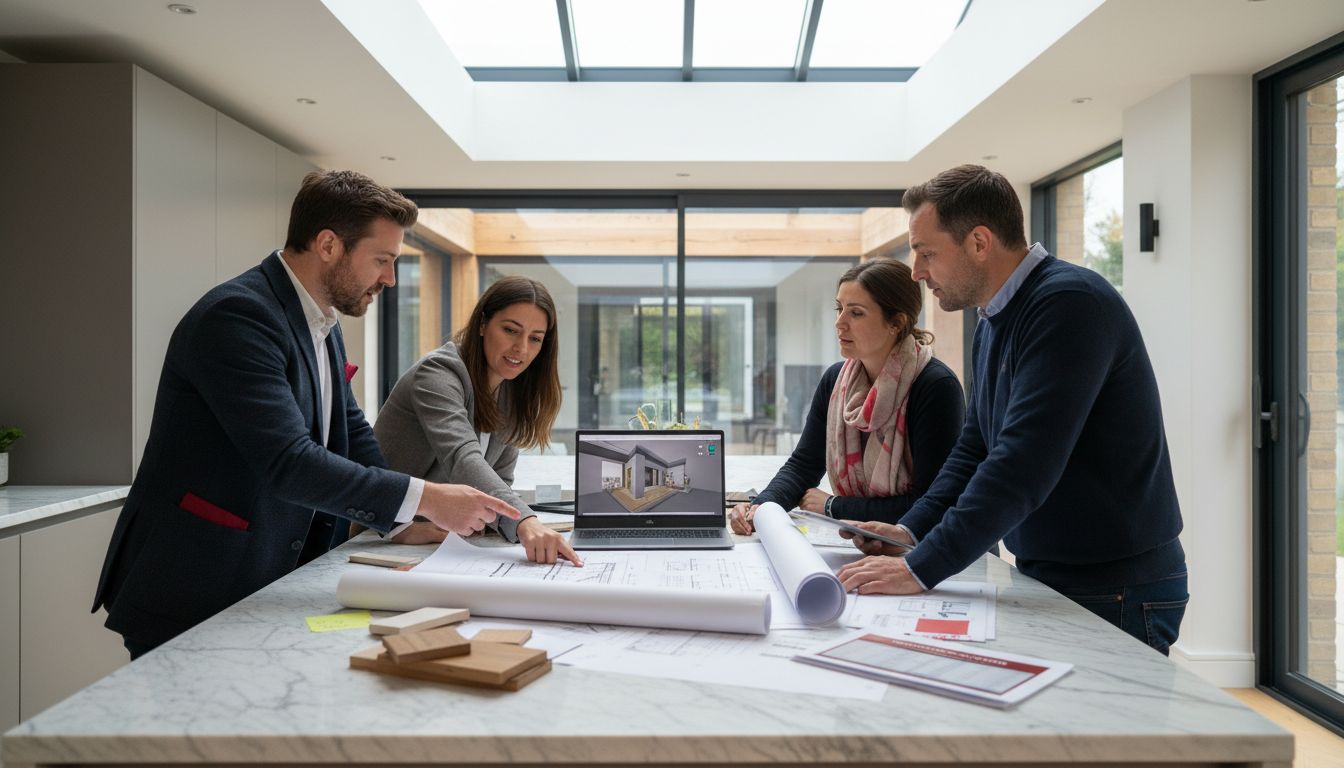
Hackney Council emphasises that not all home extensions automatically require planning permission, but understanding the specific criteria is crucial. Typically, you will need to submit detailed plans that demonstrate compliance with permitted development rights, which include considerations such as maximum height, proximity to property boundaries, and overall building footprint. This involves preparing precise architectural drawings, site plans, and potentially 3D visualisations that clearly illustrate how your proposed extension will integrate with the existing structure.
City of London recommends gathering comprehensive documentation before submission, including property ownership certificates, design and access statements, and any required ecological or heritage impact assessments. Your submission should comprehensively address potential concerns about neighbourhood character, structural integrity, and environmental impact. Consider engaging a professional planning consultant who understands local regulations and can help streamline the approval process.
A strategic approach involves preliminary research and potential pre-application consultations with your local planning department. This proactive step can help identify potential issues early, potentially saving significant time and expense. Be prepared to potentially modify your plans based on initial feedback, and maintain open communication with planning officers throughout the process. By meticulously addressing legal requirements and demonstrating a thoughtful approach to your home extension, you increase the likelihood of a smooth approval process.
Stage 3: Develop Detailed Designs and Select Contractors
Transforming your home extension from concept to reality requires meticulous design work and strategic contractor selection. This critical stage involves translating your initial vision into precise architectural plans and finding the right professionals to bring those plans to life.
Waltham Forest Council recommends beginning with comprehensive design consultations that explore both aesthetic and functional requirements. Your architectural designs should not only meet planning permission guidelines but also maximise the potential of your existing space. This means working closely with an architect who understands London’s unique architectural landscape and can create designs that seamlessly integrate with your current property while meeting your specific lifestyle needs.
Contractor selection demands equally careful consideration. Look for professionals with proven experience in London home extensions, checking their portfolios, client testimonials, and professional credentials. Request detailed quotes that break down costs transparently, and ensure they can provide comprehensive insurance and warranty documentation. A reputable contractor will be happy to discuss previous similar projects and provide references. Learn more about working with architects and builders in our comprehensive guide, which can help you navigate this crucial selection process.
Be prepared to engage in multiple design iterations and contractor interviews. Your goal is finding a perfect balance between creative vision, practical functionality, and budgetary constraints. By investing time in thorough design development and careful contractor selection, you significantly increase the likelihood of a successful home extension that meets your expectations and enhances your property’s value.
Stage 4: Oversee Construction and Project Management
Successful home extension projects demand proactive and consistent management throughout the construction phase. Your role transitions from design and planning to active oversight, ensuring that every aspect of the build meets your expectations and adheres to approved specifications.
Havering Council emphasises the critical importance of maintaining strict alignment with approved plans during construction. This means maintaining regular communication with your contractors, scheduling frequent site inspections, and documenting progress meticulously. Implement a structured communication protocol that includes weekly progress meetings, detailed photographic documentation, and transparent discussions about any potential variations from the original design.
Brent Council recommends developing a comprehensive project management approach that tracks not just construction progress, but also financial expenditure, timeline adherence, and quality control. Consider creating a detailed spreadsheet that monitors budget allocations, tracks material deliveries, logs contractor interactions, and highlights potential risks or delays. Maintaining this level of detailed oversight will help you identify and address potential issues quickly, preventing minor complications from escalating into significant problems.
Remain flexible yet vigilant throughout the construction process. Unexpected challenges are normal in home extension projects, so approach each potential issue with patience and a problem solving mindset. Your proactive management and clear communication will be key to transforming your architectural vision into a high quality living space that meets both your aesthetic and functional requirements.
Stage 5: Conduct Final Inspections and Quality Checks
Reaching the culmination of your home extension project requires a thorough and systematic approach to final inspections. This critical stage ensures that every aspect of your construction meets the highest standards of quality, functionality, and legal compliance.
Haringey Council emphasises the paramount importance of comprehensive final inspections to verify that completed works align perfectly with original planning permissions and building regulations. Your inspection process should be methodical and detailed, covering structural integrity, finish quality, safety features, and precise adherence to approved architectural plans. This means carefully examining every element from foundation to roof, checking for any potential discrepancies or areas requiring refinement.
Barnet Council recommends obtaining a Certificate of Lawfulness as a crucial final step in your project documentation. This certificate provides official confirmation that your extension fully complies with all necessary planning regulations. Create a comprehensive inspection checklist that includes structural assessments, electrical and plumbing systems, insulation performance, aesthetic finishes, and functional design elements. Engage independent professionals if needed to provide an unbiased evaluation of the completed work.
Be prepared to address any minor imperfections discovered during final inspections. A professional contractor should be willing to rectify any issues promptly and to your complete satisfaction. Maintain detailed documentation of all final inspections, repairs, and compliance certificates, as these will be invaluable for future property valuations, potential sales, or insurance purposes. Your diligence in this final stage transforms your home extension from a construction project into a seamless, high-quality addition to your living space.
Take Control of Your London Home Extension Today
Facing the complex journey of planning and executing a home extension in London can feel overwhelming. From setting clear goals and budgets to navigating strict planning permissions and ensuring quality construction every step of the way, homeowners often struggle with managing these crucial stages effectively. The challenges of aligning legal compliance, detailed design, and seamless project management can be daunting without trusted expertise.
At Reltic Extend we understand these pain points and offer tailored solutions that guide you through every phase with confidence. Whether you need assistance with planning permissions, expert project management, or creative design inspiration our experienced team, backed by over 20 years in London and Surrey, ensures your extension is delivered on time and within budget while meeting all legal requirements. Discover how our transparent processes and a 10-year structural warranty protect your investment.
Unlock peace of mind by exploring our Planning & Permissions for Home Extensions | Reltic Extend and Project Management for Home Extensions | Reltic Extend services today. Ready to bring your dream extension to life without the usual stress Take the first step now by contacting us at https://relticextend.co.uk/contact-us and secure expert guidance tailored to your unique London home.
Frequently Asked Questions
What are the initial steps for starting a home extension project?
Starting a home extension project involves assessing your current living space, defining your extension goals, and establishing a realistic budget. Begin by identifying what you want to achieve, such as more kitchen space or an additional bedroom, and create a detailed budget that includes all potential costs.
How do I know if I need planning permission for my extension?
To determine if you need planning permission, you must understand the specific criteria for your proposed extension, including height, proximity to boundaries, and overall footprint. Research your local regulations to assess whether your project qualifies as permitted development or requires formal approval.
What should I include in my budget for a home extension?
Your budget should encompass all anticipated expenses, including construction costs, professional fees, permits, and a contingency fund of 10-15% for unexpected expenses. Create a comprehensive budget spreadsheet that categorises these costs to ensure you stay on track financially.
How can I select the right contractor for my home extension?
To select the right contractor, look for professionals with demonstrated experience in home extensions and check their previous work portfolios and client reviews. Request detailed quotes that break down costs and verify their insurance and warranty documentation.
What should I look for during the final inspection of my extension?
During the final inspection, ensure that every aspect of the construction meets the approved plans and quality standards. Create a checklist to evaluate structural integrity, safety features, and aesthetic finishes, addressing any imperfections before the project is officially completed.
How often should I communicate with my contractor during construction?
Maintain regular communication with your contractor, ideally through weekly meetings to discuss progress, address any concerns, and document changes. Frequent check-ins will help ensure that the project adheres to the original specifications and timeline.
Recommended
- Timeline for House Extension: Step-by-Step Guide London – Reltic Extend
- How to Plan a Home Extension for London Homes – Reltic Extend
- How to Maximize London Space: Smart Home Extension Steps – Reltic Extend
- Why Extend in London: Complete Guide for Homeowners – Reltic Extend
- Staging Your Home for Sale: Step-by-Step Success Guide