
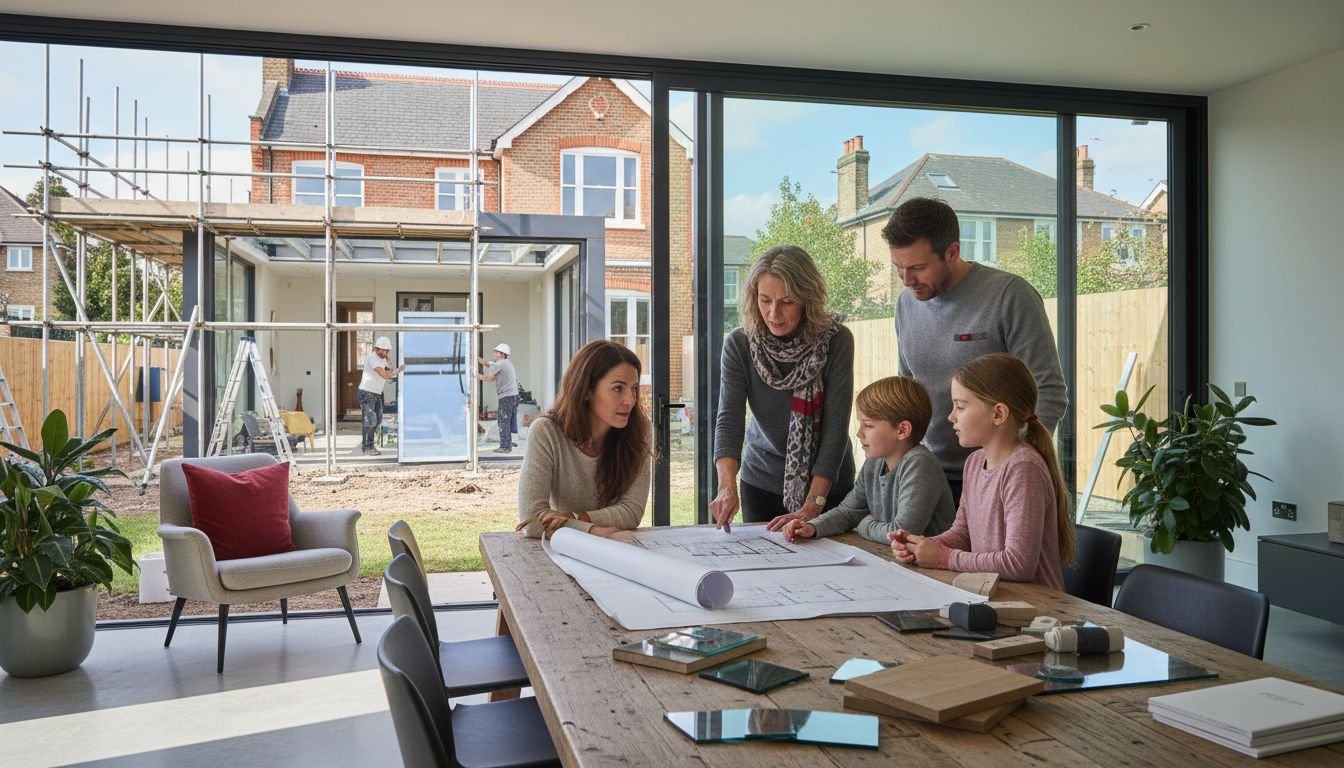
Nearly half of London homeowners face unexpected hurdles when extending their homes. Understanding the steps for a successful renovation goes far beyond picking the right look or finding a builder. Each stage brings its own challenges, from legal approvals to budgeting and finding skilled professionals. This guide brings together the crucial steps every homeowner needs to know, helping you avoid common pitfalls and make confident decisions from the first sketch to the final handover.
Table of Contents
- Understand Planning Permission And Legal Requirements
- Set A Realistic Budget Using A Cost Calculator
- Choose The Right Type Of Extension For Your Home
- Prioritise Functional And Stylish Design Concepts
- Select Skilled Professionals With Local Experience
- Understand Stage-By-Stage Project Management
- Plan For Durability, Warranties, And Quality Assurance
Quick Summary
| Takeaway | Explanation |
|---|---|
| 1. Understand planning permissions before renovations | Check if your extension needs formal planning permission based on property classification, size, and prior modifications. |
| 2. Create a comprehensive extension budget | Factor in all costs like materials, labor, legal fees, and set aside contingency funds for unexpected expenses. |
| 3. Choose the right type of extension for your home | Assess various extension types to maximize functionality while matching them to your property’s unique characteristics and needs. |
| 4. Prioritize functional and stylish design | Aim for designs that integrate natural light, flexible spaces, and quality materials, enhancing both aesthetics and daily usability. |
| 5. Select experienced professionals with local knowledge | Hire professionals familiar with London’s regulations, challenges, and best practices, ensuring a smooth and compliant renovation process. |
1. Understand Planning Permission and Legal Requirements
Navigating the legal landscape of home extensions in London requires a strategic approach to planning permissions. Understanding your property’s specific requirements is crucial before embarking on any renovation project.
Planning permission rules vary significantly depending on your property’s location, type, and previous modifications. According to the Planning Portal, many home extensions can be completed under Permitted Development Rights, which allow certain modifications without full planning approval.
To determine whether your project needs formal permission, consider these key factors:
- Property Classification: Homes in conservation areas or listed buildings typically require additional approvals
- Extension Size and Location: Single storey rear extensions often qualify under permitted development
- Previous Modifications: Prior alterations might restrict your current extension options
For most London homeowners, you’ll need to check if your proposed extension meets specific criteria. These usually include limits on height, depth, and total area coverage. Professional guidance from a local planning expert can help clarify your specific situation and prevent potential legal complications.
A comprehensive guide on planning permission can provide more detailed insights into navigating these complex regulations effectively.
2. Set a Realistic Budget Using a Cost Calculator
Budgeting for a home extension is more than just picking a random number from thin air. Financial preparation is your first line of defence against unexpected expenses and potential project derailment.
A comprehensive budget involves understanding all potential costs beyond the basic construction. These typically include materials, labour, architectural design, planning permission fees, and potential unexpected structural challenges specific to London properties.
Key budget considerations include:
- Professional architectural design fees
- Construction and material costs
- Planning permission and legal expenses
- Potential structural reinforcement work
- Contingency funds for unexpected issues
To create an accurate financial plan, leverage digital tools that can help breakdown potential expenses. A detailed home extension budget checklist can provide systematic guidance on tracking and managing your project costs.
Experts recommend allocating an additional 10 to 15 percent of your total budget for unexpected expenses. This buffer will protect you from financial strain and ensure your London home extension remains financially manageable throughout the construction process.
3. Choose the Right Type of Extension for Your Home
Selecting the perfect extension requires more than just aesthetic considerations. Matching your extension to your property’s unique characteristics will unlock maximum functionality and value.
According to MyBuilder, homeowners have multiple extension options that can transform their living spaces. Each type offers distinct advantages depending on your property layout and lifestyle needs.
Common extension types include:
- Single storey rear extensions for open plan living spaces
- Wraparound extensions that provide maximum ground floor area
- Side return extensions ideal for terraced London properties
- Loft conversions to add bedroom or office space
- Double storey extensions offering significant additional accommodation
Consider your specific requirements carefully. A compact side return might suit narrow terraced homes in Hackney, while a spacious rear extension could work perfectly for detached properties in Wimbledon.
For deeper insights into your options, explore our guide on understanding types of home extensions. This will help you make an informed decision tailored to your property’s potential and your family’s needs.
4. Prioritise Functional and Stylish Design Concepts
A truly remarkable home extension transcends mere additional square footage. Design excellence means creating spaces that are both beautiful and brilliantly practical for your daily life.
According to Livingetc, achieving the perfect balance between functionality and aesthetics requires thoughtful planning and strategic design choices. Your extension should not only look impressive but also enhance your lifestyle seamlessly.
Key design considerations include:
- Natural light integration
- Open plan layout potential
- Seamless indoor outdoor connections
- Storage solutions
- Material selection complementing existing architecture
- Flexible living spaces
Consider how each design element serves multiple purposes. A kitchen extension might incorporate a breakfast bar that doubles as a workspace or include sliding glass doors that create an expansive feel while connecting interior and exterior environments.
Professional architectural input can transform good ideas into exceptional living spaces. For more inspiration on creating stunning yet functional extensions, explore our modern extension design ideas that demonstrate how intelligent design can revolutionise your home.
5. Select Skilled Professionals With Local Experience
Choosing the right professionals can make or break your home extension project. Local expertise is not just a preference but a critical factor in ensuring successful home renovations.
According to the Federation of Master Builders, homeowners should prioritise professionals who understand the unique challenges of London property extensions. Local professionals bring nuanced knowledge about building regulations, conservation area restrictions, and structural considerations specific to different London neighbourhoods.
Key qualities to look for include:
- Proven track record of local extension projects
- Comprehensive understanding of London building regulations
- Strong portfolio demonstrating design versatility
- Positive client testimonials from local projects
- Professional certifications and memberships
- Transparent communication and detailed quotation processes
The Royal Institute of British Architects recommends thoroughly vetting potential professionals by reviewing their previous work, checking references, and understanding their specific approach to London home extensions.
For comprehensive guidance on selecting the right team, explore our resources that can help you make an informed decision about your home transformation journey.
6. Understand Stage-by-Stage Project Management
Successful home extensions demand more than just good intentions. Structured project management transforms complex renovation dreams into tangible reality.
Breaking down your extension project into clear sequential stages helps manage expectations, control costs, and minimise potential disruptions. Each stage requires specific attention and expertise to ensure smooth progression from initial concept to final completion.
Critical project management stages include:
- Initial design and conceptualisation
- Architectural drawings and planning permission
- Structural engineering assessments
- Building regulation approvals
- Construction and build phase
- Final snagging and quality checks
- Completion and handover
Your project requires a methodical approach where each stage builds upon the previous one. Communication remains key throughout these phases. Regular check ins with your design team and builders will help you stay informed and address potential challenges proactively.
For comprehensive guidance on navigating your extension journey, explore our tutorial on understanding the house extension approval process. This resource will provide deeper insights into managing your project effectively from start to finish.
7. Plan for Durability, Warranties, and Quality Assurance
A home extension is a significant investment that should stand the test of time. Long term quality means looking beyond immediate aesthetics to ensure structural integrity and protection.
Quality assurance begins with selecting premium materials and skilled professionals who understand London’s unique building requirements. Your extension should not only look exceptional but also perform reliably for decades.
Key quality assurance considerations include:
- Comprehensive structural warranties
- High grade construction materials
- Professional installation certifications
- Independent quality inspections
- Detailed maintenance documentation
- Compliance with current building regulations
Protect your investment by requesting comprehensive documentation from your construction team. This includes detailed warranties covering structural elements, materials, and workmanship. A 10 year structural warranty provides peace of mind and demonstrates the builder’s confidence in their work.
For more insights into ensuring your extension meets the highest standards, explore our guide on understanding the house extension approval process. This resource will help you navigate the critical aspects of quality assurance in home renovations.
Below is a comprehensive table summarising the key concepts, strategies, and considerations for undertaking a home extension project in London as discussed in the article.
| Topic | Description | Key Considerations |
|---|---|---|
| Planning Permission | Understand your property’s specific legal requirements, including potential need for Permitted Development Rights. | Location, classification, previous modifications. |
| Budgeting | Develop a realistic budget including all potential costs. Use cost calculators for accuracy. | Architectural fees, construction costs, contingency funds. |
| Extension Types | Choose the right extension type based on property characteristics and lifestyle needs. | Single storey, loft conversions, side return, double storey. |
| Design Concepts | Aim for a balance of style and functionality with strategic design choices. | Natural light, indoor-outdoor flow, materials. |
| Selecting Professionals | Engage skilled professionals with local London experience for best results. | Experience, past projects, building regulation knowledge. |
| Project Management | Manage the project through clear stages to control costs and progression. | Design stages, construction, final checks. |
| Quality Assurance | Ensure durability with quality materials and comprehensive warranties. | Warranties, material quality, building compliance. |
Make Your London Home Extension Journey Stress-Free and Successful
Taking on a house extension in London can feel daunting with all the planning permissions, budgeting concerns, and design decisions involved. You want a project that follows legal requirements, stays within your budget, and delivers a stylish and functional space. The key challenges include navigating complex regulations, choosing the right extension type, and managing the entire build process with trusted experts.
At Reltic Extend, we specialise in guiding homeowners through every step of their bespoke home extension. Benefit from over 20 years of experience combined with transparent pricing and expert project management to avoid surprises. Discover inspiring concepts and practical advice in our Extension Inspiration & Ideas for Your Home section and get valuable Design & Build Tips for Home Extensions that help you create a space tailored to your lifestyle and property.
Don’t let uncertainty hold you back from enhancing your living space. Take control now and connect with trusted London professionals committed to quality and compliance by visiting our contact page. Start your successful home extension journey today with Reltic Extend.
Frequently Asked Questions
What types of extensions are best suited for my home?
Choosing the right type of extension depends on your property layout and personal needs. Options like single storey rear extensions or loft conversions can maximize space; assess your home’s characteristics to make the best choice.
How can I effectively budget for my house extension?
To budget correctly, consider all costs including materials, labor, and planning permission fees. Allocate an additional 10-15% of your total budget for unexpected expenses to ensure you remain financially prepared throughout the project.
What design elements should I prioritize in my extension?
Prioritize functionality and aesthetics by incorporating features such as natural light, flexible living spaces, and seamless indoor-outdoor connections. Plan designs that complement your existing architecture to enhance overall appeal.
How do I select professionals for my house extension?
Choosing the right professionals involves looking for a proven track record in local extension projects and positive client testimonials. Ensure they have a strong understanding of London building regulations to enhance project success.
What are the key stages of managing a house extension project?
Critical stages include initial design, planning permission, construction, and final inspections. Break down the project into these sequential stages and maintain regular communication with your team to track progress and address issues.
How can I ensure quality assurance in my extension?
Ensure quality by selecting high-grade materials and professionals who provide comprehensive warranties. Request detailed documentation covering structural elements and workmanship to protect your investment in the long term.
Recommended
- Timeline for House Extension: Step-by-Step Guide London – Reltic Extend
- 7 Smart Extension Design Tips 2025 for London Homeowners – Reltic Extend
- How to Maximize London Space: Smart Home Extension Steps – Reltic Extend
- 7 Essential Home Extension Design Tips for Londoners – Reltic Extend
- Technical SEO: Making London Websites Faster, Stronger & Ready to Rank – Digital Marketing Agency – Market Link Solutions