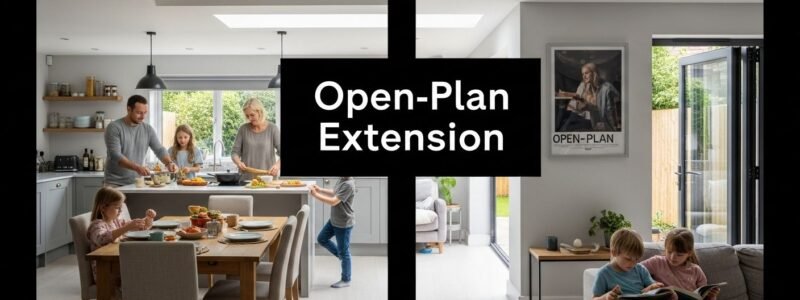

Designing a modern extension is more than just building extra space and adding a sleek look. Most people focus on the square footage or the newest fittings, assuming these will futureproof their homes. But over 50% of UK households now weave smart technology directly into their new extensions, completely changing how those spaces function day to day. The real secret? The best extensions are not static at all. They adapt, flex, and evolve right along with your life, turning a simple add on into the most dynamic part of your home.
Table of Contents
- Understand Your Space Needs
- Consider Modern Architectural Styles
- Focus on Sustainable Materials
- Maximise Natural Light with Open Spaces
- Incorporate Smart Home Technology
- Design Multi-Functional Areas
- Enhance Outdoor Living Spaces
- Plan for Future Adaptability
Quick Summary
| Takeaway | Explanation |
|---|---|
| Understand your space needs first | Assess current limitations and future requirements to determine exact needs. |
| Choose the right architectural style | Select a style that harmonises with your home while reflecting modern design trends. |
| Use sustainable materials wisely | Opt for eco-friendly materials to enhance durability and reduce environmental impact. |
| Maximise natural light effectively | Design with large windows and open spaces to improve mood and energy efficiency. |
| Plan for future adaptability | Create flexible spaces that accommodate changing family needs without major renovations. |
1: Understand Your Space Needs
Creating a successful modern extension design begins with a comprehensive understanding of your specific space requirements. Before diving into architectural plans or aesthetic choices, homeowners must critically assess their current living environment and future aspirations.
The initial step involves conducting a thorough evaluation of how your existing space functions and identifying precise areas where expansion could significantly enhance your lifestyle. This process requires honest reflection about daily household dynamics, family needs, and potential long-term requirements.
Key considerations for understanding space needs include:
- Current spatial limitations in your existing property
- Future family growth or changing lifestyle demands
- Specific functional requirements such as home office, additional bedroom, or entertainment area
- Budget constraints and potential return on investment
According to Royal Institute of British Architects, thoughtful spatial planning is crucial in extension design. Professional architects recommend mapping out your current room usage, identifying bottlenecks, and visualising how additional space could resolve these challenges.
Understanding your space needs also involves anticipating potential lifestyle shifts. A young professional might require a home office, while a growing family could benefit from an open-plan kitchen extension. Your extension should not merely add square metres but create meaningful, adaptable living spaces that evolve with your changing requirements.
Consider engaging a professional design consultant who can provide an objective assessment of your property’s potential. They can help translate your spatial needs into practical architectural solutions, ensuring your extension is both functional and aesthetically pleasing.
Remember, successful modern extension design is about strategic space utilisation, not just physical expansion. By thoroughly understanding your current and future space requirements, you lay a solid foundation for a transformative home improvement project.
2: Consider Modern Architectural Styles
Selecting the right architectural style is a crucial element in creating a compelling home extension that seamlessly integrates with your existing property while expressing contemporary design principles. Modern architectural styles offer diverse approaches that can transform your living space from mundane to extraordinary.
Contemporary extension design encompasses several distinctive approaches that reflect current aesthetic and functional trends. Explore our guide on modern extension style examples to understand the nuanced possibilities available for your project.
Key modern architectural styles to consider include:
- Minimalist Glass Extensions: Featuring expansive glass panels and clean lines
- Industrial Chic: Incorporating raw materials like exposed brick and steel
- Scandinavian Inspired: Emphasizing light, functionality, and simplistic design
According to Royal Institute of British Architects, successful modern extensions should harmonise with the original building’s architectural language while introducing contemporary elements. This approach ensures visual coherence and structural integrity.
The choice of architectural style significantly impacts not just aesthetics but also natural light integration, spatial flow, and overall property value. Modern styles often prioritise open plan concepts, large windows, and seamless indoor outdoor connections.
When selecting an architectural style, consider factors such as your property’s existing design, neighbourhood context, planning regulations, and personal aesthetic preferences. Some homeowners prefer subtle contemporary touches, while others opt for bold, statement-making designs that challenge traditional architectural norms.
Remember that architectural style is more than visual appeal. It represents a holistic approach to living spaces that balances form, function, comfort, and individual expression. Your extension should reflect your lifestyle, complement your existing home, and create a harmonious living environment.
3: Focus on Sustainable Materials
In contemporary home extension design, sustainable materials have transitioned from a niche consideration to a fundamental design principle. Environmentally conscious material selection not only reduces ecological impact but also provides long term economic and aesthetic benefits.
The selection of sustainable materials encompasses more than environmental responsibility. It represents a strategic approach to creating durable, efficient, and aesthetically pleasing living spaces.
Key sustainable materials for modern extensions include:
- Recycled steel: Reduces mining impact and provides superior structural strength
- Reclaimed timber: Adds unique character while minimising deforestation
- Low carbon concrete alternatives: Significantly reduces carbon emissions
- Locally sourced stone: Minimises transportation emissions
According to UK Green Building Council, buildings contribute approximately 40% of the UK’s total carbon emissions. Choosing sustainable materials can dramatically reduce this environmental footprint.
Beyond environmental considerations, sustainable materials offer significant performance advantages. Recycled and responsibly sourced materials often provide superior insulation, durability, and thermal efficiency. For instance, reclaimed timber can offer better natural temperature regulation compared to synthetic alternatives.
Financial incentives are also emerging for homeowners prioritising sustainable construction. Many local authorities and government schemes now provide grants or tax incentives for eco friendly home improvements. This makes sustainable material selection not just an ethical choice, but a potentially economically advantageous strategy.
Consider working with architects and builders specialising in sustainable design. They can provide expert guidance on material selection, ensuring your extension meets both aesthetic and environmental standards. Sustainable design is not about compromise, but about intelligent, forward thinking construction.
4: Maximise Natural Light with Open Spaces
Natural light transforms home extensions from mere structural additions to vibrant, energising living spaces. Strategic design that maximises light can dramatically enhance both the aesthetic and psychological experience of your home.
Learn more about bright and spacious glazed extensions to understand how light can revolutionise your living environment.
Key strategies for maximising natural light include:
- Large floor to ceiling windows
- Skylights and roof glazing
- Minimalist glass sliding doors
- Reflective interior surfaces
According to Building Research Establishment, increased natural light has significant psychological and physiological benefits. Rooms with abundant daylight can improve mood, productivity, and overall wellbeing.
Open plan configurations play a crucial role in light distribution. By removing unnecessary internal walls, you create seamless light pathways that transform dark, compartmentalised spaces into bright, interconnected areas.
Material selection also impacts light transmission. Opt for lighter colour palettes, glossy finishes, and strategically placed mirrors to amplify and reflect natural illumination. Glass extensions offer particularly innovative solutions, creating almost transparent boundaries between indoor and outdoor spaces.
Consider the orientation of your extension. South facing windows capture more consistent daylight, while carefully positioned windows on eastern and western sides can provide morning and evening light without excessive heat gain.
Remember that maximising natural light is not just about adding windows. It is about creating a holistic design that allows light to flow, transform, and enhance your living environment.
5: Incorporate Smart Home Technology
Smart home technology has revolutionised home extensions, transforming them from static spaces into intelligent, responsive environments. Modern extensions are no longer just about physical expansion, but about creating interconnected, efficient living spaces that adapt to your lifestyle.
Integrating smart home technology during your extension design provides unprecedented levels of comfort, energy management, and personalisation. These technological interventions go beyond mere convenience, offering genuine improvements to daily living.
Critical smart home technologies to consider include:
- Automated climate control systems
- Voice activated lighting and appliance management
- Energy monitoring and efficiency sensors
- Integrated security systems
According to Ofcom’s UK Consumer Market Report, over 50% of UK households now use some form of smart home technology, indicating a significant shift in residential technological integration.
Wireless connectivity plays a fundamental role in modern extension design. Ensure your extension includes robust internet infrastructure, multiple power outlets, and concealed cable management to support current and future technological needs.
Energy efficiency remains a paramount consideration. Smart technologies can significantly reduce household energy consumption by automatically managing heating, cooling, and lighting based on occupancy and external conditions.
Consider working with technology integration specialists who can help design seamless technological solutions that complement your extension’s architectural aesthetic. The goal is technology that enhances rather than dominates your living space.
Remember that smart home technology is an investment in comfort, efficiency, and future-proofing your property. Thoughtful integration can transform your extension into a responsive, intelligent living environment that anticipates and meets your needs.
6: Design Multi-Functional Areas
The modern home extension is no longer about dedicating spaces to single purposes, but creating flexible, adaptable environments that seamlessly transition between different functions. Multi-functional design represents a sophisticated approach to maximising spatial potential and responding to evolving lifestyle needs.
Understanding how spaces can serve multiple purposes requires creative thinking and strategic planning. The goal is to design areas that can effortlessly transform according to changing requirements without compromising comfort or aesthetic appeal.
Key strategies for creating multi-functional spaces include:
- Modular furniture with hidden storage
- Flexible room dividers and sliding partitions
- Built in adaptable workspaces
- Convertible living areas
According to Royal Institute of Architects, multi-functional design is increasingly critical in urban environments where space is at a premium. Intelligent design can make even compact extensions feel significantly more spacious and useful.
Technological integration plays a crucial role in creating adaptable spaces. Movable walls, retractable furniture, and smart storage solutions enable rooms to rapidly shift between home office, entertainment area, guest room, or relaxation zone.
Consider visual continuity when designing multi-functional areas. Consistent colour palettes, complementary materials, and thoughtful lighting can help different functional zones feel cohesive rather than compartmentalised.
Budget considerations are also important. While multi-functional design might require initial investment in flexible furniture and smart technologies, it ultimately provides long term value by maximising your extension’s utility.
Remember that successful multi-functional design is about anticipating potential uses and creating spaces that can gracefully adapt to your changing life stages and requirements.
7: Enhance Outdoor Living Spaces
Outdoor living spaces have evolved from simple garden areas to sophisticated extensions of interior living environments. Modern home extensions now seamlessly blur the boundaries between indoor and outdoor spaces, creating versatile areas that enhance lifestyle and property value.
Explore our design and build tips for innovative home extensions to understand how outdoor spaces can transform your living experience.
Key considerations for enhancing outdoor living spaces include:
- Weather resistant design elements
- Integrated indoor outdoor flooring solutions
- Strategic landscaping and vegetation
- Flexible furniture and shelter options
According to Royal Horticultural Society, well designed outdoor spaces can increase property value by up to 20% while providing significant mental health and wellbeing benefits.
Technological integration plays a crucial role in modern outdoor living design. Consider installing weatherproof entertainment systems, smart lighting, and heating solutions that extend usability throughout different seasons.
Architectural approaches like sliding glass doors, retractable roof systems, and level threshold transitions create continuous visual and physical connections between interior extensions and external environments. This approach allows natural light, ventilation, and a sense of expanded space.
Materials selection is critical. Choose durable, low maintenance surfaces that can withstand British weather conditions while maintaining aesthetic appeal. Composite decking, porcelain tiles, and treated hardwoods offer excellent performance and visual continuity.
Remember that outdoor living spaces are not just aesthetic additions but functional environments that extend your home’s usable area, provide relaxation zones, and create opportunities for social interaction and personal rejuvenation.
8: Plan for Future Adaptability
Planning for future adaptability transforms home extensions from static structures into dynamic living environments that can evolve alongside your changing lifestyle and family needs. Thoughtful design anticipates potential transformations, ensuring your investment remains relevant and functional across different life stages.
Learn how to design an extension that adapts to your family’s changing needs and future proof your home investment.
Key strategies for future adaptable design include:
- Flexible room configurations
- Neutral design palettes
- Robust structural frameworks
- Modular furniture and storage solutions
According to Royal Institute of British Architects, adaptable home design can increase property value by up to 15% and reduce future renovation costs.
Technological infrastructure plays a crucial role in future proofing. Ensure your extension includes comprehensive electrical, data, and communication provisions that can accommodate emerging technologies and changing work environments.
Consider potential life stage transitions such as remote working requirements, potential multi generational living, or accommodating family members with changing mobility needs. Design spaces that can seamlessly transform from home offices to guest rooms, or living areas that can be easily reconfigured.
Material selection is critical. Choose durable, timeless materials that can withstand multiple design iterations and maintain aesthetic appeal. Neutral colour schemes and adaptable flooring options provide flexibility for future redesigns.
Remember that future adaptability is about creating intelligent, responsive living spaces that can gracefully accommodate your evolving lifestyle without requiring extensive, disruptive renovations.
Below is a comprehensive table summarising the key modern home extension design ideas, steps, and benefits discussed throughout the article.
| Design Focus | Core Actions/Concepts | Main Benefits/Outcomes |
|---|---|---|
| Understand Your Space Needs | Assess existing limitations, anticipate future needs, map functional requirements, consult professionals | Extension tailored to practical needs, adaptable for long-term use |
| Embrace Modern Architectural Styles | Select styles (e.g., minimalist, industrial, Scandinavian) harmonising with original home | Visual coherence, enhanced property value, integration with trends |
| Utilise Sustainable Materials | Choose recycled/reclaimed/eco materials, source locally | Reduced environmental impact, improved efficiency, long-term value |
| Maximise Natural Light & Open Spaces | Install large windows, skylights, glass doors, use open-plan design and reflective surfaces | Brighter, healthier interiors, higher energy efficiency, positive mood |
| Incorporate Smart Home Technology | Build in automated climate, lighting, security, energy management, plan for future connectivity | Responsive, energy-efficient spaces, improved comfort and flexibility |
| Design Multi-Functional Areas | Create zones with modular furniture, sliding partitions, adaptable layouts | Flexible spaces, maximised utility, prepared for changing needs |
| Enhance Outdoor Living Spaces | Integrate indoor-outdoor flooring, weatherproof features, modern landscaping | Expanded usable area, improved lifestyle, increased property value |
| Plan for Future Adaptability | Use neutral designs, robust frameworks, modular features, comprehensive wiring and infrastructure | Spaces able to evolve, reduced need for future renovations, long-term investment value |
Ready to Bring Your Modern Extension Ideas to Life?
You have explored how understanding your space needs, choosing the right architectural style, and maximising natural light can transform your home. These modern extension design ideas are inspiring, yet turning vision into reality can be overwhelming. Many homeowners worry about making the wrong choices, facing planning hurdles, or ending up with unused spaces. If you are looking for clear stage-by-stage guidance, professional planning, and high-quality project delivery, you are not alone. Discover more ways to avoid common pitfalls in our resource-packed Design & Build Tips for Home Extensions section, or browse through Types of Home Extensions & Ideas for practical inspiration tailored to your goals.
Imagine your perfect new space built with care, finished on time, and adding real value to your property. Contact our expert team at https://relticextend.co.uk/contact-us/ to discuss your own extension project today. Take the first step now and let your modern extension dream become a reality.
Frequently Asked Questions
What should I consider when understanding my space needs for a home extension?
You should evaluate your current spatial limitations, anticipate future family growth or lifestyle demands, determine specific functional requirements (like additional bedrooms or home offices), and consider budget constraints and potential return on investment.
How can I maximise natural light in my home extension?
You can maximise natural light by incorporating large floor-to-ceiling windows, skylights, and minimalist glass sliding doors. Additionally, using reflective interior surfaces and light colour palettes can enhance light distribution throughout your extension.
What are some key benefits of using sustainable materials in a home extension?
Sustainable materials not only minimise ecological impact but also offer long-term economic benefits through superior insulation, durability, and energy efficiency. Additionally, they help reduce the overall carbon footprint of your home.
How can I ensure my home extension is adaptable for future changes?
To ensure adaptability, design flexible room configurations, use neutral design palettes, and select robust structural frameworks. Also, consider incorporating modular furniture and a comprehensive technological infrastructure to accommodate future lifestyle changes.