

Thinking about extending your home is more common than ever, with well-designed extensions increasing property values by up to 20%, according to the Royal Institution of Chartered Surveyors. Most people assume the main benefit is just extra space, maybe a bigger kitchen or another bedroom. That sounds sensible, but the real surprise is how a home extension can completely change the way your family lives and feels at home, sometimes in ways you never expected.
Table of Contents
- Defining A Home Extension: What It Is
- The Importance Of Home Extensions For Families
- Types Of Home Extensions And Their Uses
- Navigating Regulations And Planning Permissions
- Real-World Impact: Enhancements To Value And Living Space
Quick Summary
| Takeaway | Explanation |
|---|---|
| Home extensions increase property value | Well-designed extensions can enhance property values by up to 20%, depending on design and compliance with local standards. |
| Consider regulations before starting | Understanding planning permissions and building regulations is crucial for successful home extension projects. |
| Create flexible living spaces | Extensions should focus on adaptable areas to meet the changing needs of families over time. |
| Utilise various extension types | Explore different formats such as rear, side return, and wraparound extensions to maximize space effectively. |
| Enhance family well-being | Thoughtfully designed spaces reduce stress and improve the quality of life for families by providing comfort and functionality. |
Defining a Home Extension: What It Is
A home extension represents a strategic architectural approach to expanding living space within an existing residential property without relocating. Unlike complete rebuilds or moving house, home extensions offer homeowners a targeted solution for increasing usable square footage and enhancing property functionality. Learn more about home extension design principles.
The Fundamental Concept of Home Extensions
At its core, a home extension involves constructing additional rooms or expanding current living areas directly connected to the original building structure. These projects can range from modest single-storey additions to comprehensive multi-level expansions that significantly transform a property’s layout and living potential. According to Royal Institute of British Architects, home extensions represent a sophisticated method of adapting residential spaces to evolving family needs without the complexities of relocating.
Key characteristics of home extensions typically include:
- Seamless integration with existing architectural design
- Proportional expansion aligned with original building’s structural integrity
- Customised solutions addressing specific spatial requirements
- Potential for enhancing property market value
Types of Home Extensions
Home extensions are not uniform but rather diverse in their approach and execution. They can manifest in several distinctive formats, each serving unique functional and aesthetic objectives. Homeowners might consider rear extensions expanding kitchen areas, side return extensions utilising narrow outdoor spaces, wraparound extensions providing comprehensive ground floor transformations, or vertical extensions adding entire new storeys to their existing properties.
The fundamental objective remains consistent: creating additional, purposeful living space that feels natural and integrated within the existing home’s architectural language. Modern home extensions prioritise not just square footage but also quality of design, natural light integration, and seamless connectivity between new and existing spaces.
The Importance of Home Extensions for Families
Home extensions represent more than architectural modifications – they are strategic solutions addressing the dynamic spatial needs of modern families. Learn how to design an extension that adapts to your family, enabling living spaces to evolve alongside family life stages.
Creating Flexible Living Environments
Families today require homes that can seamlessly adapt to changing requirements. According to UK Housing Survey, modern households increasingly seek flexible living spaces that accommodate multiple functions. Home extensions provide families with opportunities to create versatile areas supporting various activities from remote working to children’s play zones, studying, and family gatherings.
Key considerations for family-focused home extensions include:
- Designing multipurpose spaces
- Ensuring adaptable room configurations
- Incorporating sufficient natural light
- Planning for future family growth
Supporting Family Dynamics and Well-being
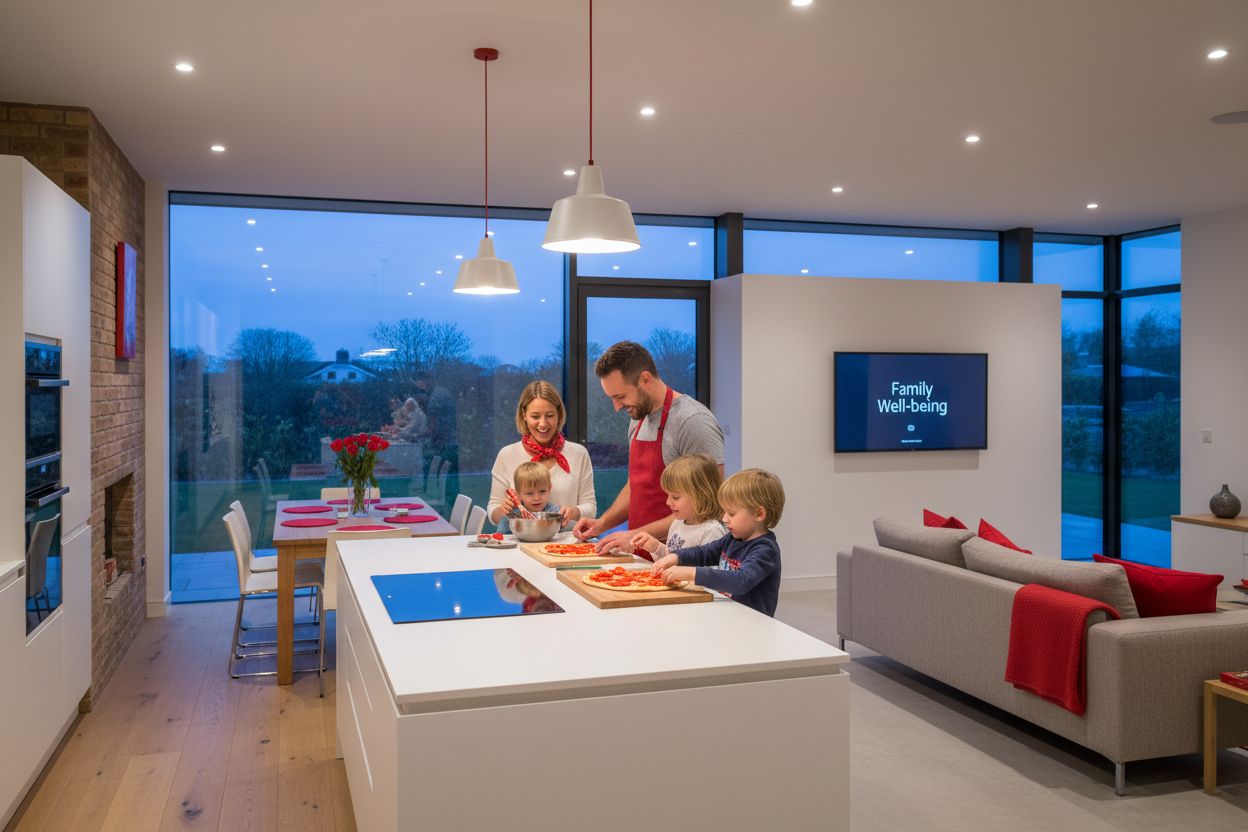
Home extensions go beyond physical space expansion. They directly contribute to family well-being by reducing stress associated with cramped living conditions and providing psychological benefits of comfortable, personalised environments. Research indicates that well-designed living spaces positively impact family interactions, mental health, and overall quality of life. By thoughtfully extending living areas, families can create nurturing environments that support individual needs while fostering collective family experiences.
Types of Home Extensions and Their Uses
Home extensions offer diverse solutions for property enhancement, each tailored to specific spatial and functional requirements. Explore various home extension ideas and design strategies to understand how different approaches can transform residential spaces.
Ground Floor Extension Variations
Ground floor extensions represent the most common and versatile home improvement strategy. These typically include rear extensions, side return extensions, and wraparound extensions. According to Royal Institute of Chartered Surveyors, each extension type serves unique architectural and practical purposes, enabling homeowners to maximise existing property potential without extensive structural modifications.
Key ground floor extension types include:
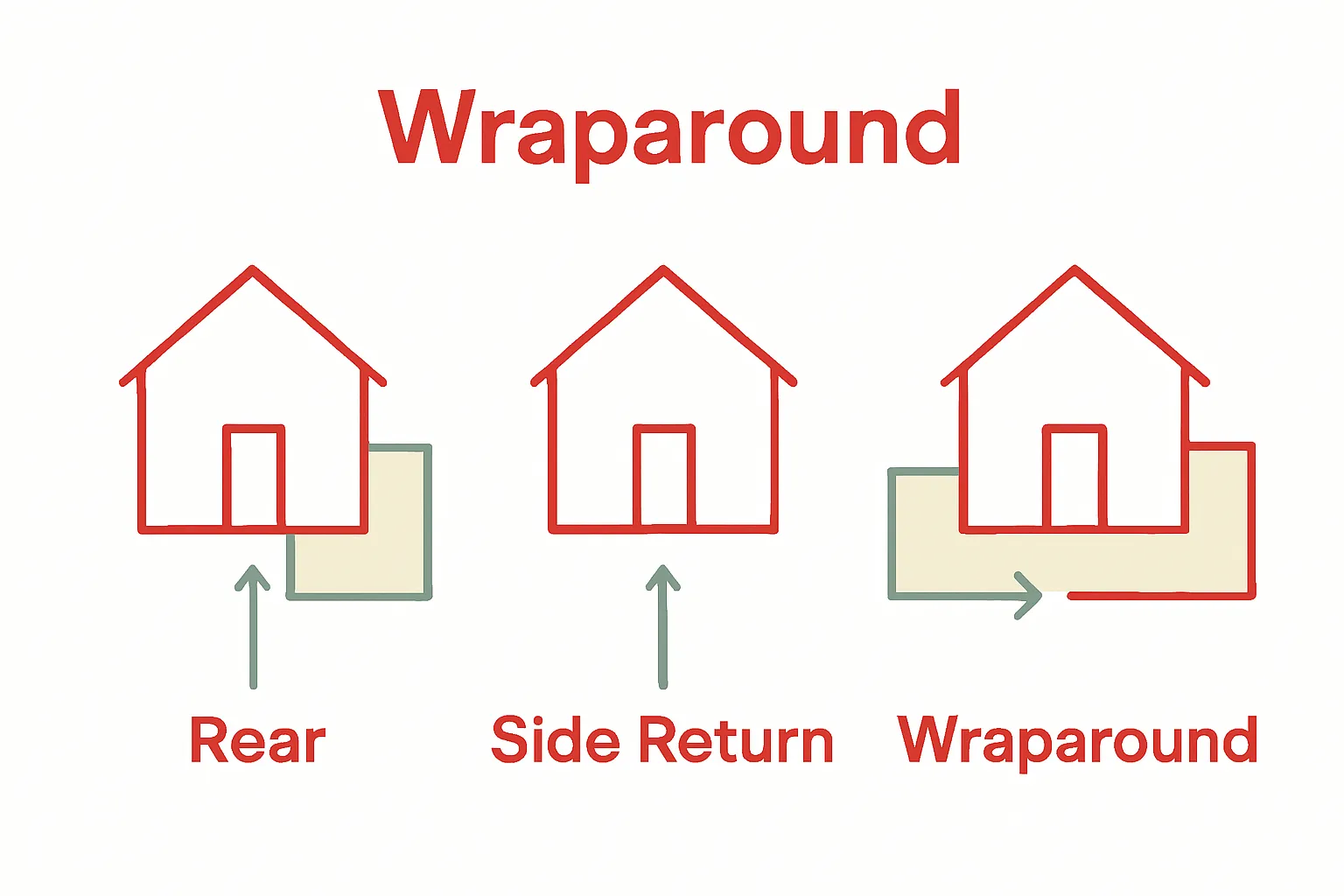
- Rear extensions expanding kitchen and dining areas
- Side return extensions utilising narrow exterior spaces
- Wraparound extensions providing comprehensive ground floor transformation
- Open plan configurations creating seamless living environments
Vertical and Specialist Extension Approaches
Beyond ground floor modifications, homeowners can consider vertical extensions that add entire storeys or specialised spaces. These might include loft conversions, dormer extensions, or second storey additions. Such approaches are particularly valuable for properties with limited ground space or those seeking significant square footage increases. Vertical extensions not only provide additional living areas but can also substantially enhance property market value by creating bedrooms, home offices, or recreational spaces.
Each extension type demands careful consideration of structural integrity, planning permissions, and alignment with existing architectural characteristics.
Below is a comparison table outlining the key types of home extensions mentioned in the article, highlighting their primary features and ideal usage scenarios to support reader decision-making.
| Extension Type | Description | Best For |
|---|---|---|
| Rear Extension | Extends property towards the back garden | Enlarging kitchens and dining areas |
| Side Return Extension | Utilises narrow exterior side space | Improving underused side alleys |
| Wraparound Extension | Combines rear and side return for an L-shaped space | Major ground floor transformations |
| Loft Conversion | Converts attic space into rooms | Adding bedrooms or home offices |
| Dormer Extension | Adds vertical windowed structure to a pitched roof | Gaining extra headroom and light |
| Second Storey Addition | Constructs a new upper floor above existing property | Substantial extra living space |
Navigating Regulations and Planning Permissions
Home extensions require careful navigation through complex legal and regulatory frameworks to ensure compliance and successful project implementation. Learn about the home extension approval process to understand the critical steps involved in securing necessary permissions.
Understanding Planning Permission Requirements
Planning permissions represent a crucial regulatory mechanism governing home extension projects. According to UK Planning Portal, not all extensions require formal planning approval, with many falling under permitted development rights. However, homeowners must meticulously assess specific criteria that determine whether their proposed extension qualifies for streamlined approval or necessitates comprehensive planning application.
Key considerations for planning permission include:
- Total proposed extension size relative to existing property
- Proximity to property boundaries
- Height and architectural impact on surrounding streetscape
- Potential impact on neighbouring properties’ amenities
Building Regulations and Compliance Standards
Beyond planning permissions, home extensions must satisfy stringent building regulations designed to ensure structural integrity, safety, and energy efficiency. These comprehensive standards cover multiple technical aspects including structural design, thermal performance, electrical installations, and accessibility requirements. Homeowners must obtain formal building regulation approval, typically involving detailed architectural plans and subsequent inspections to verify compliance with national construction standards.
Successful navigation of these regulatory landscapes requires thorough research, professional guidance, and meticulous attention to detail.
The following table summarises the main regulatory requirements for home extensions detailed in the article, distinguishing between planning permissions and building regulations for reader clarity.
| Regulatory Aspect | Key Considerations | Purpose |
|---|---|---|
| Planning Permission | Extension size, proximity to boundaries, visual impact, effect on neighbours | Protect neighbourhood character |
| Permitted Development | Some extensions may not require full planning approval if criteria are met | Streamline minor property changes |
| Building Regulations | Structural design, safety, energy efficiency, electrical and accessibility standards | Ensure compliance and occupant safety |
| Approval Process | Submission of detailed plans, mandatory inspections during construction | Verify standards are met at every stage |
Real-world Impact: Enhancements to Value and Living Space
Home extensions transcend mere architectural modifications, representing strategic investments that profoundly transform both property value and residential experience. Explore smart investments that enhance long-term home value to understand the comprehensive benefits of thoughtful property expansion.
Property Market Valuation Dynamics
Carefully designed home extensions can significantly boost property market value, offering returns that often exceed initial investment costs. According to Royal Institution of Chartered Surveyors, well-executed extensions can increase residential property values by up to 20%, contingent on design quality, architectural coherence, and alignment with local property market expectations.
Key factors influencing property value enhancement include:
- Quality of architectural design and materials
- Functional integration with existing property layout
- Compliance with local planning and building regulations
- Alignment with neighbourhood architectural characteristics
Lifestyle and Functional Space Transformation
Beyond financial considerations, home extensions fundamentally reshape living experiences by creating adaptable, purpose-driven spaces. Modern extensions enable families to craft personalised environments that accommodate evolving lifestyle needs – from home offices and expanded kitchen areas to multipurpose recreational zones. These transformations contribute not just to spatial utility but also to improved quality of life, mental well-being, and domestic functionality.
The true value of a home extension lies not merely in square meterage added, but in its capacity to create meaningful, liveable spaces that genuinely enhance daily residential experiences.
Transform Your Living Space with Expert Home Extensions
Feeling like your home is bursting at the seams? Many families struggle with limited space or outdated layouts, leaving their property feeling cramped and less functional. As highlighted in this article, a well-designed home extension can resolve these challenges, offering tailored solutions that adapt to your changing needs while boosting everyday comfort and long-term property value. If you are searching for creative possibilities, discover more extension inspiration and ideas to see how extra space can truly transform your lifestyle.
Your perfect home does not have to be a dream for tomorrow. At Reltic Extend, we turn your extension ideas into reality with clear pricing, expert guidance on planning permissions, and over two decades of experience delivering bespoke results in London and Surrey. If you are ready to expand your home and elevate your lifestyle, speak with our team today by visiting our contact page. Secure a living space designed for both your family’s needs and your property’s future.
Frequently Asked Questions
What is a home extension?
A home extension is the process of adding additional living space to an existing residential property, enhancing its functionality and increasing its usable square footage without the need to move.
What are the benefits of a home extension?
Home extensions provide multiple benefits, including increased living space, improved property market value, and the ability to create flexible environments that adapt to changing family needs.
What types of home extensions are available?
Common types of home extensions include rear extensions, side return extensions, wraparound extensions, and vertical extensions like loft conversions. Each type serves distinct functional and aesthetic purposes.
Do home extensions require planning permission?
Not all home extensions require formal planning permission, as some may fall under permitted development rights. However, it is essential to check specific criteria that determine whether permission is needed for your project.