
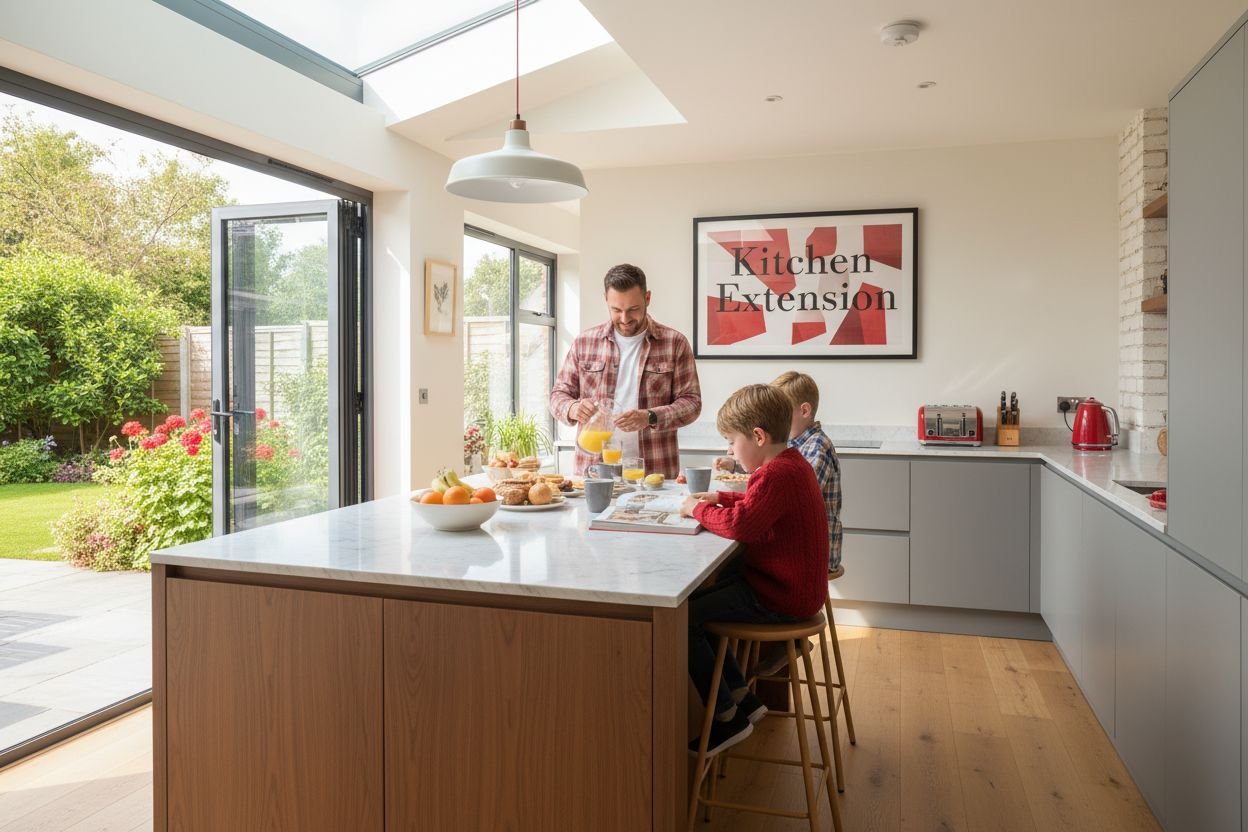
Expanding a kitchen does more than just add space to your home. It opens up a world of possibilities and daily comforts. Most people focus on the idea of gaining new cooking territory and more cabinets, which is exciting enough. But the real surprise is in the numbers. A well-planned kitchen extension can actually increase your property value by a significant margin and even reduce the need for an expensive move. Instead of moving house, you could be enjoying a brand new lifestyle right where you are.
Table of Contents
- Defining Kitchen Extensions: What Are They?
- The Importance of Kitchen Extensions for Homeowners
- How Kitchen Extensions Enhance Living Spaces
- Types of Kitchen Extensions: Options to Consider
- Things to Keep in Mind Before Expanding Your Kitchen
Quick Summary
| Takeaway | Explanation |
|---|---|
| Kitchen extensions boost property value | Thoughtful kitchen enlargements can significantly elevate your home’s market potential and appeal to buyers. |
| Consider budget for potential costs | Plan a realistic budget, accounting for construction, professional fees, and unexpected expenses. |
| Focus on design and functionality | Successful extensions should marry aesthetic appeal with practical living spaces to enhance daily life. |
| Ensure legal compliance with local regulations | Always secure necessary permissions and adhere to building codes during the extension planning process. |
| Create multifunctional living areas | Kitchen extensions should support various family activities, fostering social interaction and comfortable living. |
Defining Kitchen Extensions: What Are They?
A kitchen extension represents a strategic home improvement project designed to transform your existing kitchen space by physically expanding its footprint and enhancing its functionality. Kitchen extensions are architectural modifications that allow homeowners to create more spacious, versatile cooking and dining environments without relocating or completely rebuilding their property.
The Fundamental Purpose of Kitchen Extensions
The primary objective of a kitchen extension is to address common spatial limitations in traditional British homes. Most older properties feature compact, disconnected kitchen areas that feel cramped and inefficient. By extending the kitchen, homeowners can achieve multiple goals: increasing usable square footage, improving natural light, creating open plan living spaces, and significantly enhancing property value.
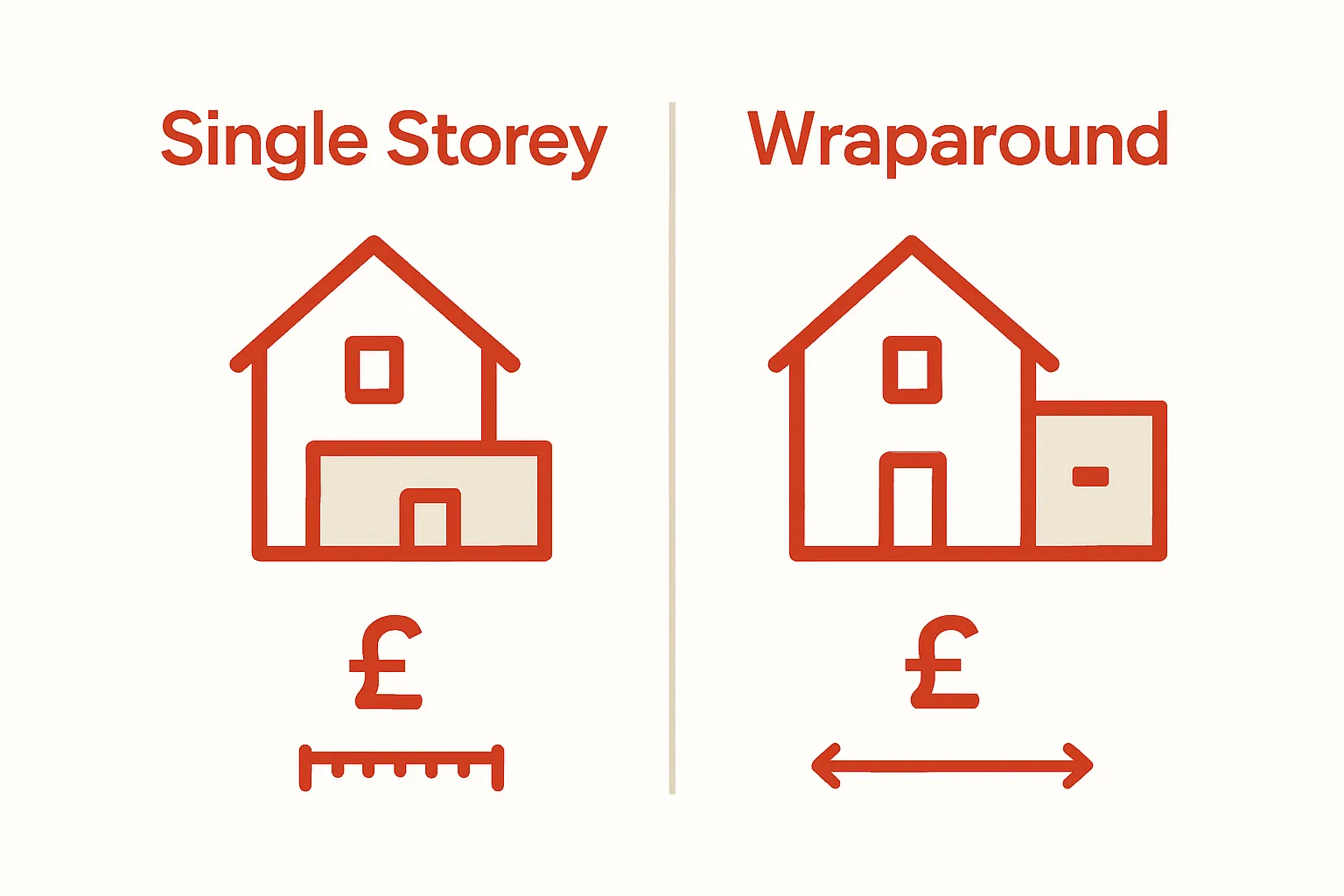
Typically, kitchen extensions involve constructing additional floor space at the rear or side of a property, seamlessly integrating new architectural elements with the existing structure. These extensions can range from modest single-storey additions to more substantial wraparound or double-height designs.
Design and Structural Considerations
Successful kitchen extensions require careful planning and consideration of several key factors:
- Structural integrity and load-bearing wall modifications
- Seamless architectural integration with existing home design
- Maximising natural light through strategic window and glazing placement
- Compliance with local planning regulations and building permissions
Homeowners often collaborate with professional architects and builders to ensure their kitchen extension meets both aesthetic and functional requirements. Read more about our comprehensive kitchen extension guide to understand the intricate process of transforming your kitchen space.
Kitchen extensions are not merely about adding square metres but creating intelligent, adaptable living environments that reflect modern lifestyle needs.
Whether you desire an open-plan cooking area, a sunlit dining space, or a multifunctional family hub, a well-designed kitchen extension can dramatically reimagine your home’s potential.
The Importance of Kitchen Extensions for Homeowners
Kitchen extensions represent more than just a simple home improvement project they are strategic investments that transform living spaces and enhance property value. According to research from housing experts, homeowners can significantly boost their property’s market potential through thoughtful kitchen expansions.
Increasing Property Value and Lifestyle Quality
A well-designed kitchen extension offers substantial financial and personal benefits. Homeowners can expect to increase their property’s market value by creating more spacious, modern living areas. The additional square footage not only makes the home more attractive to potential buyers but also dramatically improves daily living experiences.
Key advantages of kitchen extensions include:
- Creating open plan living spaces that encourage family interaction
- Improving natural light and visual connectivity between indoor and outdoor areas
- Adding substantial market value to the property
- Reducing the need for costly relocation
Addressing Modern Living Requirements
Modern families require flexible, multifunctional spaces that adapt to changing lifestyle needs. Kitchen extensions provide an opportunity to redesign cooking and dining areas, transforming them from isolated rooms into central hubs of home life. Learn more about the benefits of kitchen extensions and how they can revolutionise your living space.
These extensions allow homeowners to create areas that seamlessly blend cooking, dining, entertaining, and family activities. By reimagining kitchen spaces, residents can develop environments that support contemporary living patterns, with integrated cooking zones, breakfast bars, and comfortable seating areas that encourage social interaction and shared experiences.
How Kitchen Extensions Enhance Living Spaces
Kitchen extensions transcend mere architectural modifications, representing profound transformations in how families interact, live, and experience their domestic environments. Research from architectural design studies demonstrates that thoughtful kitchen extensions can fundamentally reshape residential living experiences.
Creating Multifunctional Living Zones
Modern kitchen extensions break traditional spatial boundaries, evolving from isolated cooking areas into comprehensive living zones. These expanded spaces seamlessly integrate cooking, dining, socialising, and working environments, reflecting contemporary lifestyle demands. By removing restrictive walls and creating open plan designs, homeowners can develop fluid, adaptive spaces that support diverse daily activities.
Key characteristics of enhanced living spaces include:
- Increased natural light penetration
- Improved spatial flow between indoor and outdoor areas
- Flexible areas supporting multiple functions
- Enhanced visual connectivity across living zones
Psychological and Social Benefits
Beyond physical transformation, kitchen extensions offer profound psychological advantages. Explore innovative small kitchen extension ideas to understand how strategic design can dramatically improve living experiences. These expanded spaces encourage family interaction, provide areas for collective cooking and dining, and create environments that foster connection and shared experiences.
By designing kitchen extensions with intentional spatial planning, homeowners can create environments that support emotional well-being, facilitate communication, and provide flexible areas for work, leisure, and family gatherings. The result is not just an architectural upgrade, but a holistic reimagining of domestic living that responds to evolving social and personal needs.
Types of Kitchen Extensions: Options to Consider
Kitchen extensions offer homeowners diverse architectural solutions tailored to specific spatial constraints, aesthetic preferences, and functional requirements. Planning experts highlight the importance of selecting the right extension type to maximise both property value and living space potential.
Single Storey Kitchen Extensions
Single storey kitchen extensions represent the most common and versatile approach to expanding kitchen spaces. These extensions typically involve extending the ground floor at the rear or side of the property, creating additional room without significantly altering the home’s overall structural configuration. They provide an excellent opportunity to create open plan living areas, integrate modern design elements, and significantly improve natural light penetration.
Key characteristics of single storey kitchen extensions include:
- Relatively straightforward planning and construction process
- Lower cost compared to more complex extension types
- Minimal disruption to existing home structure
- Potential for substantial interior design flexibility
Wraparound and Side Return Kitchen Extensions
Wraparound and side return extensions offer more comprehensive spatial transformation. By combining rear and side extension approaches, homeowners can create substantial, L shaped kitchen areas that dramatically increase usable living space. Learn more about complex kitchen extension designs to understand the full potential of these innovative architectural solutions.
These extensions are particularly beneficial for terraced and Victorian properties with narrow side passages, enabling a complete reimagining of ground floor living spaces.
Below is a comparison table outlining the main types of kitchen extensions discussed in the article, summarising their key features, benefits, and suitability for various home layouts.
| Extension Type | Description | Key Features | Typical Benefits |
|---|---|---|---|
| Single Storey Extension | Extends the ground floor at the rear or side | Straightforward planning, lower cost, minimal structural disruption | Flexible design, improved natural light |
| Wraparound Extension | Combines rear and side extensions to form L-shaped area | Substantial space increase, complex design | Transforms ground floor layout |
| Side Return Extension | Utilises narrow side passage (common in Victorian/terraced homes) | Maximises use of side space, often combined with rear extension | Enhances spatial flow, adds value |
| They provide opportunities to create seamless connections between kitchen, dining, and living areas, transforming traditional compartmentalised home layouts into modern, fluid environments that support contemporary lifestyle needs. |
Things to Keep in Mind Before Expanding Your Kitchen
Kitchen extensions require meticulous planning and strategic decision making to ensure successful implementation and long term satisfaction. Building regulations and planning permissions present complex considerations that homeowners must navigate carefully before commencing their renovation project.
Budgetary and Financial Considerations
Comprehensive financial planning forms the foundation of any successful kitchen extension project. Homeowners must develop a realistic budget that encompasses not just construction costs, but also potential unexpected expenses, professional fees, and potential property value impacts. Understanding the full financial landscape helps prevent budget overruns and ensures a smoother renovation experience.
This table highlights the most important budgetary and financial considerations that homeowners should plan for before beginning a kitchen extension project, supporting careful management of costs and expectations.
| Financial Factor | Explanation |
|---|---|
| Construction and Material Costs | Upfront expenses for building work and materials |
| Professional Fees | Payments for architects, designers, and contractors |
| Structural Modification Expenses | Costs for altering load-bearing walls or making structural changes |
| Contingency Funds | Extra budget set aside for unexpected challenges |
| Return on Investment Potential | Likely increase in property value from the extension |
Key financial elements to consider include:
- Initial construction and material costs
- Professional architectural and design fees
- Potential structural modification expenses
- Contingency funds for unexpected challenges
- Long term return on investment potential
Legal and Regulatory Compliance
Navigating the legal landscape of home extensions demands careful attention to local planning regulations and building codes. Explore our comprehensive guide to kitchen extension processes to understand the intricate requirements for successful project completion. Homeowners must secure necessary permissions, ensure compliance with local building regulations, and potentially consult with planning authorities to guarantee their extension meets all statutory requirements.
Successful kitchen extensions require a holistic approach that balances aesthetic desires, functional needs, financial constraints, and legal obligations.
 By carefully considering these multifaceted aspects, homeowners can transform their vision into a practical, valuable, and legally compliant living space enhancement.
Ready to Transform Your Kitchen Space Into Something Exceptional?
If you feel trapped by a cramped kitchen or overwhelmed by limited options, you are not alone. The article highlights how traditional homes often suffer from outdated layouts, lack of natural light, and wasted space. These challenges hold back your lifestyle and property value, making everyday life less enjoyable. Discover innovative solutions and practical inspiration by exploring our extensive Types of Home Extensions & Ideas resource, where you will find real examples that match your home and vision.
Choosing the right kitchen extension is more than a technical upgrade. It is your opportunity to create a modern, airy, and truly livable centre for your family. Our dedicated team at Reltic Extend brings over 20 years of experience, expert project management, and a commitment to seamless delivery. Do not let hesitation delay your dream kitchen. Take the next step. Connect with us today at https://relticextend.co.uk/contact-us/ for a tailored consultation and start turning your kitchen transformation plans into reality.
Frequently Asked Questions
What is a kitchen extension?
A kitchen extension is a home improvement project that involves expanding the existing kitchen space to create a larger, more functional area. This can enhance both the cooking and dining experience without the need to relocate.
What are the benefits of a kitchen extension?
Kitchen extensions offer numerous benefits, including increased property value, improved natural light, and enhanced living space. They can transform isolated cooking areas into multifunctional hubs for family interaction and socialising.
What types of kitchen extensions are there?
There are several types of kitchen extensions, including single storey, wraparound, and side return extensions. Each type has its own advantages and is suited for different property layouts and homeowner needs.
What factors should I consider before planning a kitchen extension?
Before planning a kitchen extension, consider your budget, legal and regulatory compliance for building permissions, and the desired functionality of the space. These factors are crucial for a successful and satisfying renovation project.