

Every year, british homeowners invest millions in home extension projects to add space and value to their properties. A well-planned renovation depends on choosing the right professionals and clearly defining their roles. When you understand who does what—from architects to builders—you stand a much better chance of achieving a smooth and satisfying result. This guide reveals how every expert fits into the process so your project stays organised, compliant, and on track.
Table of Contents
- Defining Roles In Home Extension Projects
- Key Professionals: Architects, Designers, Surveyors
- Builders, Trades, And Specialist Contractors
- Legal Duties And Project Management Responsibilities
- Homeowner Obligations And Common Pitfalls
Key Takeaways
| Point | Details |
|---|---|
| Understanding Roles | Recognising the roles of architects, engineers, project managers, and builders is crucial for a successful home extension. Each professional must collaborate effectively to bring your vision to life. |
| Legal and Project Management | Homeowners must navigate legal compliance, project budgeting, and timeline management to ensure their renovation project meets all necessary regulations and remains within budget. |
| Active Homeowner Involvement | Homeowners play a vital role in project success; active engagement and informed decision-making can significantly reduce risks and avoid common pitfalls during the extension process. |
| Choosing the Right Professionals | Selecting experienced, well-recommended professionals with strong communication skills is essential for managing the complexities of a home extension project effectively. |
Defining Roles in Home Extension Projects
Successful home extension projects rely on understanding the critical roles and responsibilities of various professionals involved in the process. According to Homebuilding, these roles are interconnected and essential for delivering a high-quality home renovation.
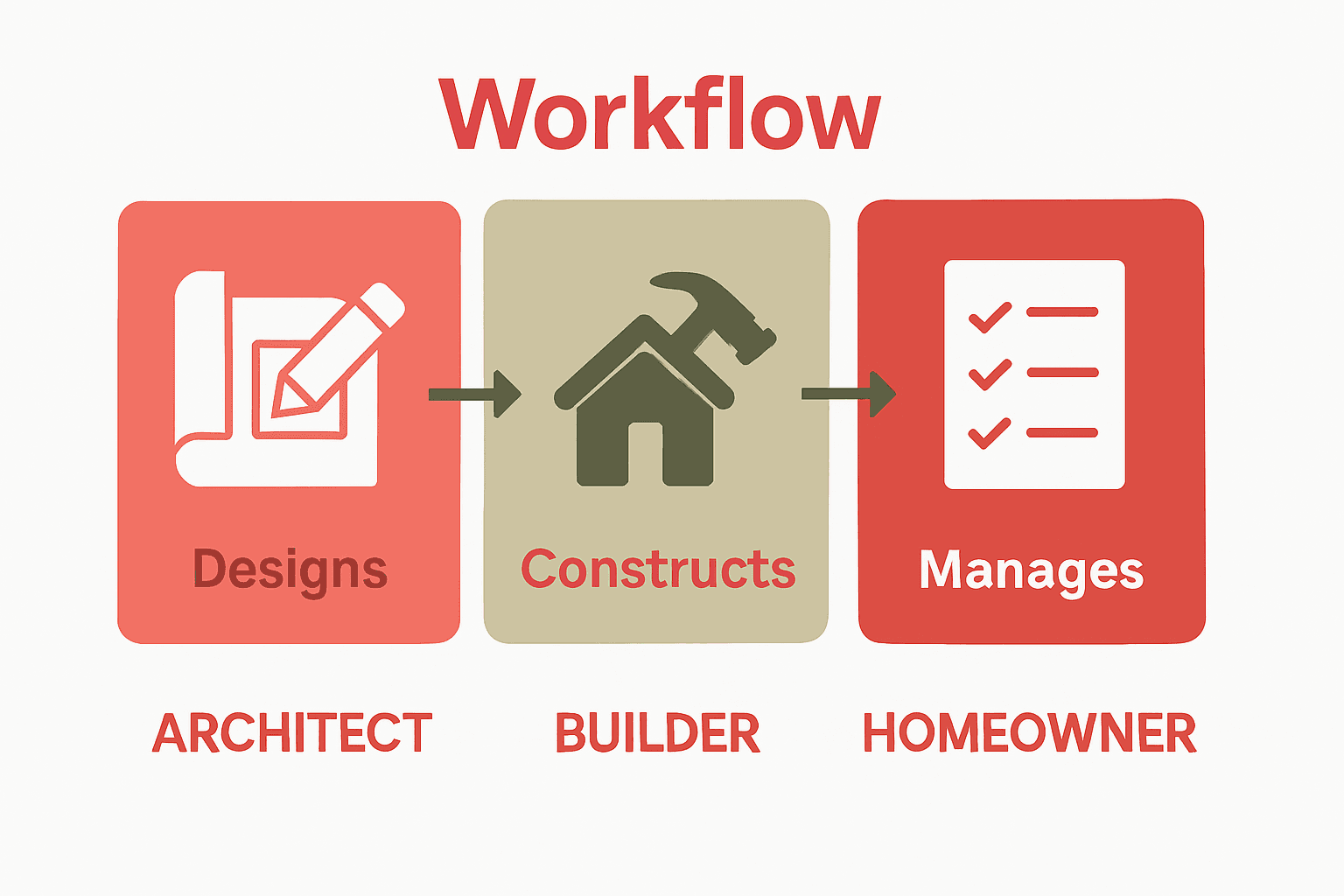
The primary roles in home extension projects typically include architects, structural engineers, project managers, and builders. Each professional brings a unique set of skills and expertise to transform your home extension vision into reality. John Webster Architecture highlights the collaborative nature of these roles, emphasizing that successful projects depend on seamless communication and coordination.
Here’s a breakdown of the key professionals and their responsibilities:
- Architects: Design the extension, create detailed plans, ensure aesthetic and functional alignment with your vision
- Structural Engineers: Evaluate building integrity, design load-bearing solutions, ensure safety and compliance
- Project Managers: Coordinate timelines, manage budgets, oversee communication between different professionals
- Builders: Execute construction work, implement architectural and engineering designs, manage on-site construction
Choosing the right team is crucial. Look for professionals with proven track records, strong communication skills, and a collaborative approach. Project Management for Home Extensions can provide additional insights into effectively managing your home extension journey.
Key Professionals: Architects, Designers, Surveyors
Home extension projects require a collaborative approach involving multiple specialised professionals, each contributing unique expertise to transform your vision into reality. Homebuilding emphasises the critical importance of understanding these roles to ensure a successful renovation.
Architects play a pivotal role in translating your extension dreams into precise, feasible designs. According to John Webster Architecture, they are responsible for creating comprehensive plans that balance aesthetic appeal with functional requirements. Their expertise extends beyond visual design to include critical considerations like spatial efficiency, natural light optimization, and seamless integration with your existing property.
Key responsibilities of these professionals include:
Architects: – Develop detailed architectural plans
- Create 3D visualisations
- Ensure design compliance with local planning regulations
- Balance aesthetic and functional requirements
Designers: – Refine interior and exterior design elements
- Select materials and finishes
- Develop colour schemes and layout recommendations
- Align design with your personal style and practical needs
Surveyors: – Conduct thorough property assessments
- Identify potential structural challenges
- Provide detailed site measurements
- Assess legal and planning constraints

Choosing the right professionals requires careful consideration. Look for practitioners with proven track records, robust portfolios, and excellent communication skills. Explore more about managing these critical relationships in our Archiwum Projects guide to ensure a smooth, successful home extension journey.
Builders, Trades, and Specialist Contractors
Home extension projects require a complex network of skilled professionals who transform architectural designs into tangible living spaces. Homebuilding highlights the critical role of builders, trades, and specialist contractors in executing these sophisticated renovation projects with precision and expertise.
John Webster Architecture emphasizes that successful home extensions depend on seamless coordination between various trades. Each professional brings specialized skills essential to different stages of construction, ensuring high-quality workmanship and structural integrity.
Key professionals in this phase include:
Master Builders:
- Manage overall construction process
- Coordinate different trade specialists
- Ensure project meets design specifications
- Maintain quality control standards
Specialist Trade Contractors:
- Plumbers: Install water, drainage, and heating systems
- Electricians: Complete electrical wiring and circuit installations
- Carpenters: Construct structural frameworks, fit joinery
- Bricklayers: Build walls, create structural foundations
- Plasterers: Prepare and finish interior wall surfaces
Specialist Contractors:
- Provide advanced technical expertise
- Handle complex technical installations
- Ensure compliance with building regulations
- Manage specialized aspects of construction
Choosing experienced, well-recommended professionals who communicate effectively is crucial. Their collective expertise transforms architectural plans into functional, beautiful living spaces.
VIDEO:video_content] For comprehensive insights into managing these critical relationships, explore our [Archiwum Projects guide to navigate your home extension journey successfully.
Legal Duties and Project Management Responsibilities
Home extension projects involve complex legal and management responsibilities that require meticulous planning and understanding. Homebuilding emphasizes the critical importance of navigating these requirements to ensure a successful and compliant renovation project.
John Webster Architecture highlights that effective project management goes beyond simple coordination, encompassing legal compliance, risk management, and strategic oversight. Homeowners must be prepared to engage with multiple legal and administrative processes throughout their extension journey.
Key legal and project management responsibilities include:
Legal Compliance Requirements:
- Planning Permissions:
- Obtain necessary local authority approvals
- Submit detailed architectural plans
- Ensure design meets local planning regulations
- Manage potential neighbour consultations
Project Management Responsibilities:
Budgeting:
- Create comprehensive project budget
- Track expenses against initial estimates
- Manage contingency funds
- Monitor financial progress
Timeline Management:
- Develop realistic project schedules
- Coordinate professional timelines
- Manage potential delays
- Ensure milestone achievements
Critical Compliance Areas:
- Building regulation approvals
- Health and safety standards
- Insurance requirements
- Structural integrity certifications
Successful home extensions require proactive management and a thorough understanding of legal obligations. Professional support can help navigate these complex requirements efficiently. For deeper insights into managing extension projects, explore our Archiwum Projects guide to streamline your renovation journey.
Homeowner Obligations and Common Pitfalls
Homebuilding warns that home extension projects demand active involvement and strategic planning from homeowners. Understanding your responsibilities and potential challenges is crucial to ensuring a smooth, successful renovation process that meets both your expectations and legal requirements.
John Webster Architecture emphasizes that homeowners play a pivotal role in project success, with their engagement and decision-making directly impacting the final outcome. Proactive management and informed decision-making can significantly mitigate risks and prevent costly mistakes.
Key Homeowner Obligations:
- Financial Management:
- Establish realistic budget
- Maintain financial reserves
- Track project expenses
- Understand payment schedules
Common Pitfalls to Avoid:
- Budget Challenges:
- Underestimating total project costs
- Failing to include contingency funds
- Overlooking potential unexpected expenses
- Not researching market rates
Critical Preparedness Strategies:
- Conduct thorough initial property assessments
- Obtain multiple professional quotes
- Understand detailed project timelines
- Maintain clear communication channels
- Document all agreements in writing
Successful home extensions require careful planning, realistic expectations, and a proactive approach. Professional guidance can help navigate complex challenges and transform your extension vision into reality. For comprehensive insights into managing potential risks, explore our Archiwum Projects guide to streamline your renovation journey.
Take Control of Your Home Extension Project with Expert Support
Understanding the distinct roles of architects, builders, and project managers is essential to avoid common pitfalls and ensure your home extension runs smoothly. The complexities of managing legal compliance, budgeting, and coordination can be overwhelming. If you want to skip the stress and secure a seamless build, relying on experienced professionals is key.
At Reltic Extend, we specialise in guiding homeowners across London and Surrey through every stage of their bespoke home extension. Our transparent pricing and hands-on approach to Project Management for Home Extensions mean you stay informed and in control from design to completion. We also handle all Planning & Permissions for Home Extensions so that you have peace of mind about compliance and approvals.
Ready to bring your extension vision to life without the usual headaches? Discover how we can support your project today by getting in touch on our contact page. Your dream home awaits with expert guidance every step of the way.
Frequently Asked Questions
What are the main roles involved in a home extension project?
The primary roles in a home extension project typically include architects, structural engineers, project managers, and builders. Each professional has unique skills that contribute to the success of the renovation.
What does an architect do in a home extension project?
An architect is responsible for designing the extension, creating detailed plans, ensuring compliance with local planning regulations, and balancing aesthetic and functional requirements of the space.
How can I effectively manage budgeting for a home extension?
To manage budgeting effectively, create a comprehensive project budget, track expenses against initial estimates, manage contingency funds, and monitor financial progress throughout the project.
What are the typical legal compliance requirements for home extensions?
Typical legal compliance requirements include obtaining planning permissions from local authorities, ensuring designs meet local regulations, and securing building regulation approvals for structural integrity and safety.
Recommended
- Extension Design Process: Step-by-Step Guide for Homeowners – Reltic Extend
- Master Your Extension Project Management Workflow Efficiently – Reltic Extend
- Understanding Home Extension Project Management Clearly – Reltic Extend
- Step by Step Extension Guide for Expanding Your Home – Reltic Extend
- Role of Design in Renovations: Complete Guide – Astrotech Construction
- Role of General Contractor in Renovation Projects – Astrotech Construction